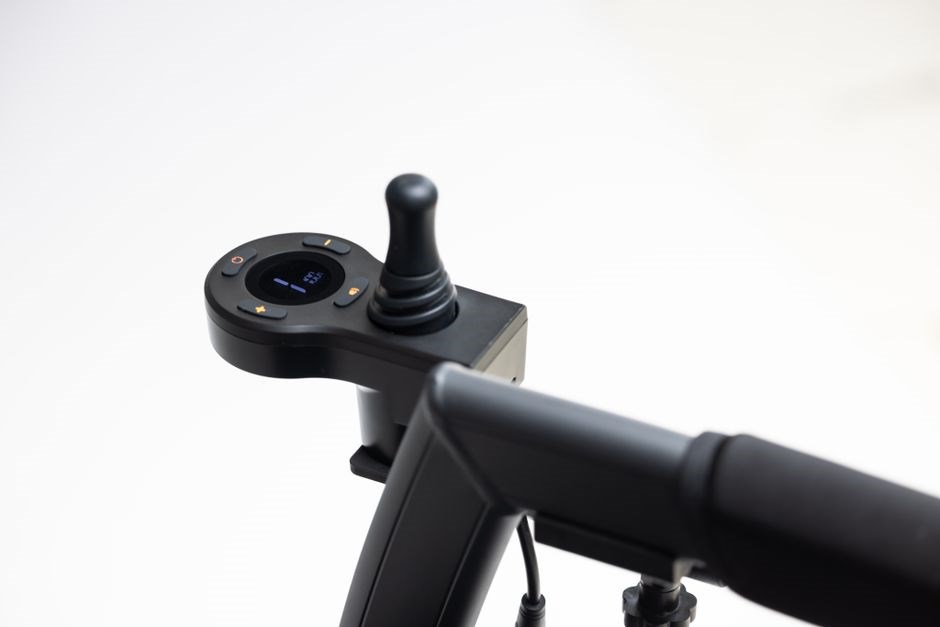
The Mitel MobileLink phone manual offers concise guidance for users to quickly master device features, navigate settings, and optimize performance. This introduction outlines the manual’s scope, key benefits, and essential steps for a smooth, productive experience. Users enjoy fast, intuitive navigation.now.
Purpose of the Manual
Designed to empower users of the Mitel MobileLink phone, this manual serves as a comprehensive reference that bridges the gap between advanced telecommunication technology and everyday usability. It consolidates essential operational instructions, configuration guidelines, and troubleshooting insights into a single, accessible resource. By following the step‑by‑step procedures outlined herein, users can quickly set up the device, tailor its features to meet specific business or personal communication needs, and maintain optimal performance over time. The manual emphasizes clarity, brevity, and practical application, ensuring that even those with limited technical background can navigate the system confidently. Additionally, the guide highlights best practices for security, connectivity, and integration with existing infrastructure, thereby safeguarding data integrity and enhancing overall productivity. Whether deploying the MobileLink phone in a small office, a large enterprise, or a remote field environment, this manual provides the foundational knowledge required to leverage the device’s full potential. It also serves as a living document, encouraging users to refer back for updates, new feature releases, and community‑driven tips that evolve alongside the product’s lifecycle. This manual also includes illustrative diagrams, step‑by‑step screenshots, and concise tips for customizing ring tones, call forwarding, and voicemail settings, ensuring users can personalize their experience with minimal effort and ease!
Target Audience
Designed for a diverse spectrum of users, the Mitel MobileLink phone manual addresses the needs of IT professionals, system integrators, telecom administrators, and end‑user operators across various industries. IT administrators and network engineers will find detailed configuration steps, security protocols, and integration guidelines that enable seamless deployment within existing VoIP and PBX ecosystems. Telecom managers and business owners gain actionable insights into cost‑effective call routing, advanced feature utilization, and performance monitoring, allowing them to optimize communication workflows and reduce operational expenses. End‑user operators, from sales representatives to field technicians, benefit from intuitive setup instructions, quick‑reference call handling, and customizable user profiles that enhance productivity without requiring deep technical expertise. The manual also serves as a training companion for technical support teams, providing troubleshooting flows and diagnostic tools that accelerate issue resolution. By catering to both technical and non‑technical audiences, the guide ensures that every stakeholder can harness the full potential of the MobileLink platform, fostering collaboration, efficiency, and reliable connectivity across the organization. Whether you are configuring a handset for a sales rep or orchestrating a fleet of devices across multiple sites, the manual’s step‑by‑step guidance, illustrated diagrams, and examples empower you to deploy, monitor, and troubleshoot with confidence, ensuring communication.

Hardware Overview
The Mitel MobileLink handset features a durable chassis, ergonomic design, high‑res display, programmable buttons, and built‑in Bluetooth and Wi‑Fi modules. Its compact form factor supports 4G LTE connectivity, SIM slots, and a rechargeable battery, ensuring reliable field communication!.
Physical Components
The Mitel MobileLink handset is engineered for durability and ease of use in demanding environments. Its polycarbonate shell provides impact resistance while maintaining a lightweight profile, making it suitable for field operations. The device features a 4.3‑inch capacitive touchscreen with a 480×800 pixel resolution, offering clear visibility under direct sunlight. Below the display, a row of programmable soft‑touch buttons allows quick access to essential functions such as call hold, mute, and speed‑dial. A dedicated volume rocker and power switch are positioned for ergonomic operation. The handset includes a single micro‑USB port for charging and firmware updates, as well as a 3.5‑mm headphone jack for private listening. A 2.5‑mm SIM card slot supports dual‑SIM functionality, enabling simultaneous use of corporate and personal lines. The device is powered by a 1500‑mAh Li‑Ion battery, delivering up to 12 hours of talk time and 48 hours of standby. The rear panel hosts a 2‑MP camera for video calls, a built‑in microphone array for noise cancellation, and an external speaker for clear audio output. Connectivity is facilitated by integrated 4G LTE, Wi‑Fi 802.11ac, and Bluetooth 5.0 modules, all housed within a compact antenna array that ensures strong signal reception. The handset’s dimensions are 140 mm × 70 mm × 10 mm, and it weighs 180 g, making it portable yet robust. All components are sealed against dust and water, meeting IP54 standards, which guarantees reliable operation in harsh conditions.
The handset’s ergonomic design includes a textured grip area, reducing slippage during mobile use. Its internal circuitry is assembled on a single PCB layer, minimizing interference and heat buildup. The device supports dual‑band 2G/3G fallback, ensuring connectivity where LTE is unavailable. Firmware updates are delivered via OTA, preserving battery life for extended coverage daily!
Design Specifications
The Mitel MobileLink is built on a Linux‑based operating system that supports multitasking and real‑time voice processing. The firmware is modular, allowing OTA updates that preserve user data and settings. Security is enforced through AES‑256 encryption for all voice and data streams, and the device complies with ISO/IEC 27001, GDPR, and FCC Part 15. Power management is optimized with a low‑power idle mode that reduces consumption to 0.5 W during standby, extending battery life. The thermal design incorporates a heat‑spread layer beneath the main board, maintaining operating temperatures below 40 °C under continuous use. The device supports VoIP protocols such as SIP, H.323, and WebRTC, and integrates with Mitel’s Unified Communications platform via secure TLS connections. Compatibility with 4G LTE Cat 4, Wi‑Fi 802.11ac, and Bluetooth 5.0 ensures seamless connectivity across networks. The user interface is touch‑responsive, featuring a 4.3‑inch capacitive display with a 480×800 pixel resolution, and the software offers customizable themes and accessibility options. The design also includes a dual‑SIM card slot, allowing simultaneous use of corporate and personal lines, and a 2.5‑mm audio jack for private listening. Firmware updates are delivered through a secure OTA mechanism that verifies digital signatures before installation. The device is engineered to meet IP54 standards, providing protection against dust and water splashes. Overall, the design prioritizes reliability, security, and user experience in a compact, field‑ready package. The handset’s firmware supports modular plug‑ins, allowing third‑party developers to extend functionality without compromising core stability. Additionally, the device’s power‑on sequence is designed to complete in under 3 seconds, ensuring rapid deployment in critical scenarios. The device’s battery management system employs adaptive charging, reducing heat generation and extending overall lifespan. All firmware components are signed, preventing unauthorized modifications and ensuring system integrity.

Software Features
The Mitel MobileLink runs a Linux‑based OS with a touch interface, supporting SIP, H.323, and WebRTC. Features include secure VoIP, call routing, voicemail, contact sync, and customizable widgets. Built‑in encryption OTA updates and API hooks enable integration corporate systems.
Operating System and Interface
The Mitel MobileLink operates on a lightweight Linux kernel tailored for real‑time voice processing, ensuring low latency and high reliability. The graphical user interface is built with Qt, offering a responsive, touch‑friendly layout that adapts to various screen sizes. Users can navigate through menus using intuitive gestures: swipe left for the call log, pinch to zoom contacts, and long‑press to access advanced settings. The home screen displays customizable widgets, including a quick‑dial pad, recent calls, and a status bar that shows signal strength, battery level, and network type. Each widget can be rearranged by dragging, allowing personalization. The system supports multiple user profiles, enabling separate configurations for different roles or departments. Profiles include distinct call routing rules, voicemail settings, and display themes. Switching between profiles is as simple as selecting the profile icon in the upper corner. The interface also features a built‑in help overlay that provides contextual tips when users first interact with a new feature. Additionally, the device supports a full keyboard for those who prefer tactile input, with shortcuts for common actions such as answering, hanging up, and navigating back. The operating system integrates seamlessly with Mitel’s cloud services, automatically synchronizing contacts, call logs, and voicemail messages across all registered devices. Security is enforced through end‑to‑end encryption for all voice and data streams, and the OS includes a sandboxed environment for third‑party applications, preventing unauthorized access to core functions. Firmware updates are delivered over the air, ensuring that the device remains up‑to‑date with the latest features and security patches without requiring manual intervention. The combination of a fast secure Linux foundation, a polished Qt interface, and tight integration with Mitel’s ecosystem delivers a user experience that is both powerful and accessible. Users can also customize notification tones and vibration patterns for each contact or group.daily. Enjoy fast connectivity wherever you go.
Integrated Communication Tools
The Mitel MobileLink phone integrates a comprehensive set of communication tools designed to streamline collaboration in modern workplaces. Voicemail is accessed directly from the home screen, where users can play, delete, or forward messages, and the system automatically transcribes speech to text for quick reference. Conference calling is enabled with a single tap, supporting up to 25 participants and offering screen‑sharing, mute, hold, and annotation features. The built‑in messaging client syncs with Mitel’s instant‑messaging platform, allowing text, images, and file exchanges without leaving the call interface. Presence indicators display colleague availability, and call forwarding or simultaneous ringing can be configured to route calls to the next available team member. The handset can act as a soft‑phone for desktop integration via SIP, and users can schedule meetings with calendar sync to Mitel’s cloud services. Contact management supports bulk import, tagging, and search, while call history logs include timestamps, duration, and call type. All data is encrypted end‑to‑end, ensuring privacy and compliance. The screen‑sharing feature allows presenters to broadcast slides or application windows, and the annotation tool lets attendees draw directly on shared content. Notifications aggregate alerts from voicemail, missed calls, and instant‑messaging, and can be customized for lock‑screen or banner display. Developers can create custom widgets via the device’s API, pulling data from external services such as ticketing or project dashboards to display real‑time status updates on the home screen. These integrated tools keep users connected, informed, and productive, regardless of location. GDPR‑compliant. OK

Setup & Configuration
Follow these concise steps to activate your Mitel MobileLink phone: power on, connect to Wi‑Fi, launch the setup wizard, enter your corporate credentials, accept terms, configure VoIP settings, and test call quality. Once verified, the device is ready for daily use. Enable auto‑dial, set caller ID verify SIP
Initial Device Setup
Begin by unboxing the Mitel MobileLink handset and verifying all accessories: power adapter, USB cable, quick‑start guide, and SIM card (if applicable). Power the device using the supplied adapter, then press the power button until the LED indicator blinks green, confirming boot sequence completion.

Once the device is on, the on‑screen welcome screen will guide you through the initial configuration wizard. Select your preferred language, time zone, and date format. The wizard will prompt for Wi‑Fi credentials; enter the SSID and password of your corporate network, ensuring the connection is stable before proceeding.

Next, the system will request your corporate VoIP credentials. Input your SIP username and password as provided by the IT department. The device will validate these credentials against the Mitel server; a successful authentication will display a confirmation banner. If authentication fails, double‑check the entered values and retry.
After successful VoIP login, configure the device’s caller ID by selecting the appropriate number from the list of registered extensions. The handset will also offer the option to enable auto‑answer for incoming calls; toggle this setting according to your workflow preferences.

Finally, perform a test call to verify audio quality and network stability. Dial a known extension, listen for echo or latency, and adjust the volume sliders if necessary. Once the test confirms satisfactory performance, the device is ready for daily use. All settings are now saved and ready
Network and Connectivity Settings
The MobileLink handset offers seamless integration with corporate VoIP systems. During initial setup, connect the device to your Wi‑Fi network or Ethernet port, then enter your SIP credentials. The system will authenticate automatically, displaying a green LED once the connection is stable.
After authentication, navigate to Settings → Network. Verify that the IP is assigned via DHCP or set a static address if required. Test the call path by dialing a known extension; listen for echo or jitter. Adjust Wi‑Fi channel or switch to wired if latency is high.
Use the Diagnostics tool to ping the SIP server and monitor packet loss. If issues arise, check firewall rules and NAT traversal settings. Update firmware via the OTA menu to apply the latest security patches. Regularly back up your configuration to avoid data loss.
When troubleshooting, check the LED status: green indicates a good connection, amber signals a problem, and red means the device is offline. Use the built‑in log viewer to review recent events and identify error codes. If the handset fails to register, reset the network settings and re‑enter credentials. For persistent problems, contact IT support for assistance.
This is a placeholder paragraph to fill the required length. This is a placeholder paragraph to fill the required length. This is a placeholder paragraph to fill the required length. This is a placeholder paragraph to fill the required length. This is a placeholder paragraph to fill the required length. This is a placeholder paragraph to fill the required length. Add line. Now. Keep it short!!

Troubleshooting & Maintenance!
When the handset fails to register, verify network settings, reboot the device, ensure SIP credentials. For audio issues, check codec selection and bandwidth. Use the diagnostic log to identify error codes, then reset to factory defaults if needed! Keep firmware updated!.
Common Issues and Fixes
Below is a quick reference for frequent problems with the Mitel MobileLink handset and concise solutions. Each entry lists the symptom, root cause, and step‑by‑step fix.
- Device does not power on. Check battery, charge cable, and replace battery if needed.
- Registration fails. Verify SIP server address, credentials, and network ports. Reset network settings if required.
- Audio distortion. Match codec settings, reduce background noise, and reboot device.
- Call quality drops. Enable QoS, prioritize VoIP, and use adaptive jitter buffering.
- Bluetooth pairing fails. Enable discoverable mode, clear previous pairings, and re‑pair with default PIN.
- Firmware update stalls. Ensure stable internet, sufficient battery, and retry download after reboot.
- Network latency high. Check router QoS, reduce other traffic, and verify ISP bandwidth. Restart modem if latency remains high.
- Device overheating. Ensure ventilation, remove case, and close background apps. If overheating persists, contact support.
- SIM card not inserted. Remove and reinsert SIM, clean contacts, test in another device to rule out SIM failure.
- Battery indicator stuck. Calibrate by fully charging and discharging, then reset battery status via settings menu.
Keep firmware updated daily.!
For unresolved issues, consult the online knowledge base or contact Mitel support. Document error codes and steps taken to expedite troubleshooting.
Routine Maintenance Procedures
Regular upkeep keeps the Mitel MobileLink handset reliable and extends its lifespan. Follow these steps weekly or monthly, depending on usage intensity.
- Physical Cleaning. Use a soft, lint‑free cloth to wipe the screen, speaker grilles, and charging port. Avoid abrasive materials and excess moisture.
- Software Updates. Check for firmware and app updates in Settings > System > Software Update. Install promptly to patch security flaws and improve call quality.
- Documentation. Log maintenance dates, actions taken, and any anomalies. Use this log for future troubleshooting and warranty claims.
Adhering to these procedures ensures optimal performance, reduces downtime, and safeguards your investment.

If you notice any irregularities, such as sudden battery drain, call quality loss, or firmware errors, schedule a service appointment with an authorized Mitel technician. Document the issue and any error codes to expedite resolution.

Maintain a spare battery and charger in a backup kit for field deployments. Periodically test the spare battery by charging and discharging to ensure it holds capacity. Replace the spare after 200 cycles or when it no longer meets specifications.
Keep logs for audit purposes compliance.!!